Jianghu Explained: The Hidden World of Wuxia Martial Artists
Jianghu (江湖, pronounced “jyahng-hoo”) is the parallel social world of martial artists, sects, wanderers, and outlaws that runs alongside ordinary Chinese society in wuxia fiction. It is not a place you can find on a map — it is a network of people, sects, codes of honor, and feuds that operates by its own rules, separate from the imperial state. To say someone “walks the jianghu” means they have entered this hidden world and accepted its dangers.
What Does Jianghu Mean?
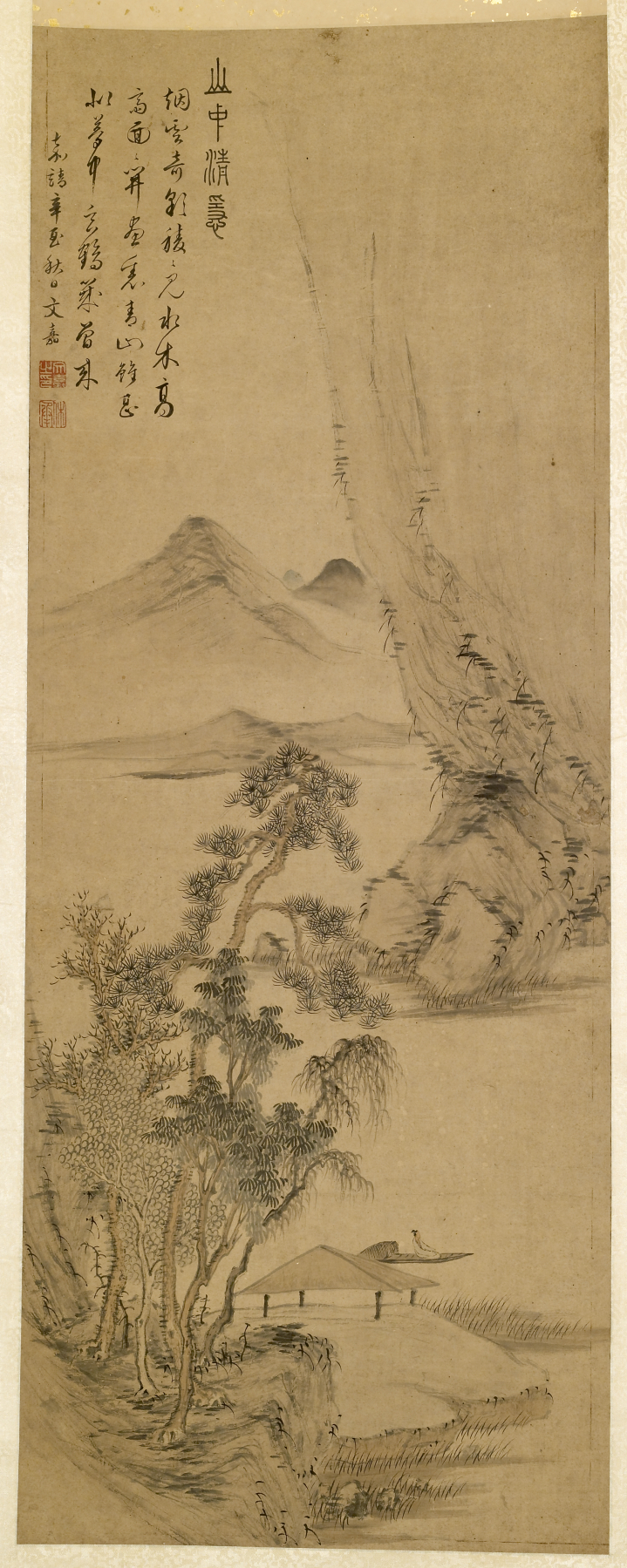
The literal translation is “rivers and lakes” — jiang (江) means river, hu (湖) means lake. The original phrase referred to itinerant communities of fishermen, boat traders, and travelers who lived along China’s waterways, outside the reach of local government. Over time, the term broadened to mean any community of people on the move and beyond official control — wandering monks, traveling performers, outlaws, and, most relevant for wuxia, martial artists.
In modern wuxia fiction, jianghu has three overlapping meanings:
- A social space: The community of all martial artists, sects, and associated figures in China
- A way of life: The wandering, honor-bound, sometimes lawless existence of those who fight for a living
- A moral code: The unwritten rules that govern interactions among martial artists — debts of gratitude (恩 / ēn), debts of vengeance (仇 / chóu), and the obligation to keep one’s word
When a wuxia character says “the jianghu has its own rules,” they are not being metaphorical. There is an implicit constitution governing how martial artists treat one another, separate from imperial law. A serious offense in the jianghu can mean death; the same offense in mortal society might mean a fine.
Pronunciation
| Pinyin | Jiānghú (1st tone + 2nd tone) |
| English approximation | “jyahng-hoo” (rhymes with “young coo”) |
| Wade-Giles | Chiang-hu |
| Japanese | Kōko (江湖) |
| Korean | Gangho (강호) |
The “j” sound in pinyin is closer to English “j” than to French “j” or German “y.” If you can say “jeans,” you can say jianghu.
Etymology & Cultural Origin
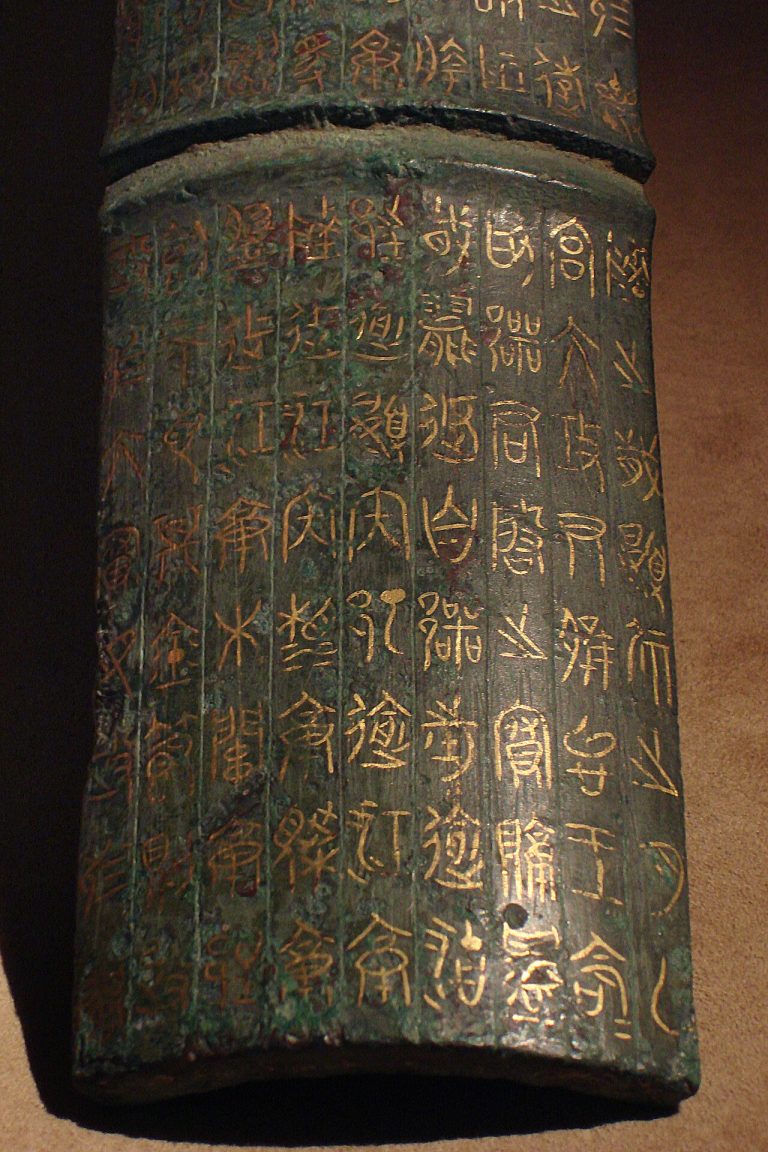
The phrase “jianghu” first appears in pre-imperial Chinese texts, including the Zhuangzi (4th century BCE), where it refers to people who choose to live outside court politics. Daoist hermits, traveling philosophers, and rural retreats are all early uses of the term.
The shift toward “world of martial artists” took centuries. By the Song dynasty (960–1279 CE), wandering martial artists and sworn-brotherhood criminal associations were a documented social reality. Outlaws of Water Margin (水浒传 / Shuǐhǔ Zhuàn), one of the four classic Chinese novels, are essentially a jianghu community in the modern sense — bandits with a code of honor, operating in marshlands beyond government reach (Wikipedia: Water Margin).
The 20th-century explosion of wuxia fiction — Jin Yong (金庸), Gu Long (古龙), Liang Yusheng (梁羽生) — fixed jianghu in its modern fictional form. The same Chinese readers who knew jianghu as a real historical concept now had a vocabulary for stylizing it.
How Jianghu Works in Wuxia and Xianxia
Wuxia (Martial Arts Realism)
In classical wuxia, the jianghu is recognizably the historical concept dramatized. There are:
- Sects (宗 / zōng or 派 / pài): organized martial schools with masters, disciples, and a home mountain
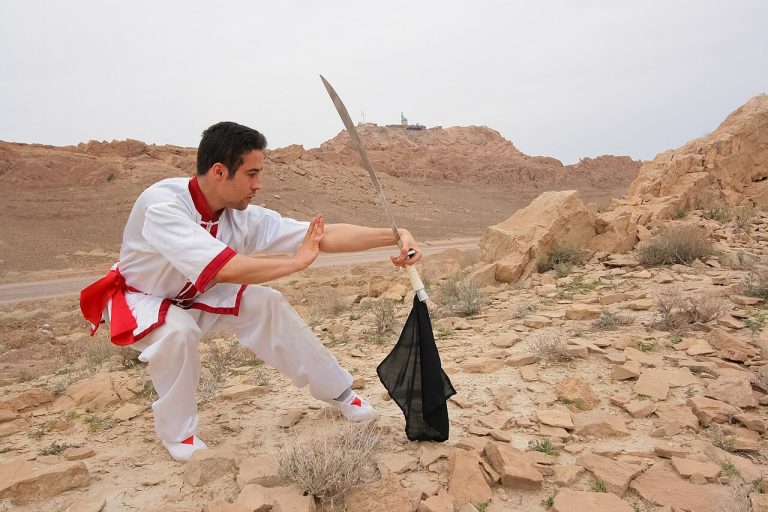
- Wandering heroes (大侠 / dàxiá): solo martial artists with no sect, traveling and righting wrongs
- Bounty hunters and assassins: professional martial artists for hire
- Beggar’s Guild (丐帮 / gàibāng): the largest cross-cutting jianghu society, often portrayed as a network of beggars who exchange information
- Orthodox vs Unorthodox factions (正邪两道 / zhèngxié liǎngdào): the moral split between “righteous” sects following traditional codes and “demonic” sects that flout them
Jin Yong’s The Smiling, Proud Wanderer and Demi-Gods and Semi-Devils are the canonical examples. The jianghu in these novels is intricate, political, and morally complicated.
Xianxia (Cultivation Fantasy)
Xianxia inherits jianghu vocabulary but expands the scale dramatically. The “jianghu” of a xianxia novel is no longer a community of mortal martial artists — it is a continent-spanning, sometimes universe-spanning ecosystem of cultivators, sects, demonic cultivators, and immortals. The honor codes and feud structures survive, but the stakes are not personal grudges over a sword stroke. They are realm-tier vengeance that can last for centuries.
In some xianxia novels, “jianghu” is explicitly replaced by cultivation world (修真界 / xiūzhēn jiè) or immortal cultivation world (仙界 / xiānjiè), preserving the social dynamics while abandoning the etymology. Readers should treat these terms as cousins.
Codes of the Jianghu
Several unwritten rules recur across wuxia and xianxia:
Debts Must Be Repaid
Both kindness debts (恩) and vengeance debts (仇) must be settled. A martial artist who fails to repay a gratitude debt or pursue an open vengeance is considered without honor and may be ostracized. This drives much of wuxia’s plot structure — the protagonist owes someone, or is owed by someone, and must close the account.
One’s Word Is Binding
Verbal agreements in the jianghu carry the weight of contracts. A master who promises to teach a technique, a swordsman who promises to spare an enemy — these promises hold. Breaking a public promise damages one’s reputation enough to destroy a career.
Respect for Seniority
Within and across sects, seniority by generation (辈分 / bèifèn) often matters more than raw power. A weak elder of an earlier generation is technically owed respect by a stronger younger cultivator. This produces the genre’s most common plot complication: a powerful young protagonist humiliates an elder who could not defeat them in a duel, only to discover the elder belongs to a powerful sect that will now hunt them.
No Interference With Mortal Politics
Martial artists are expected not to use their powers to dominate ordinary people, taxation, or government. Those who do — “demonic sects” — are considered legitimate targets for the orthodox jianghu to suppress. This rule is regularly broken, providing the genre’s villains.
Related Terms
- Wulin — the “martial forest,” a near-synonym for jianghu that emphasizes the martial arts community specifically
- Sect — organized martial schools that are the building blocks of the jianghu
- Xia — the heroic-martial-artist archetype; a daxia is a “great xia”
- Wandering Hero — a solo martial artist with no sect affiliation
- Qi — the energy that all jianghu martial artists cultivate to differing degrees
- Orthodox vs Unorthodox — the moral split that divides the jianghu
Common Misconceptions
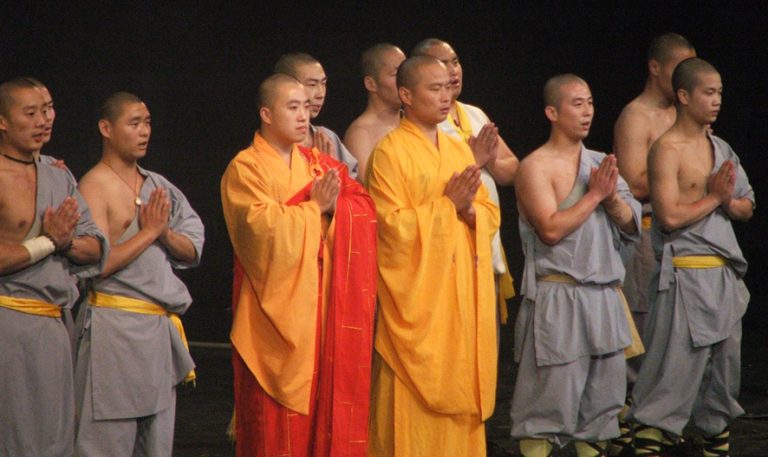
“Jianghu means ‘the world of crime.'” Some jianghu figures are criminals, but the term is not synonymous with crime. A respected sect master, a Buddhist warrior monk, and a Beggar’s Guild leader are all in the jianghu and all law-abiding by their own code. The criminal element is real but not definitional.
“Jianghu and wulin are the same thing.” Closely related but distinct. Wulin (武林) specifically means the community of martial artists. Jianghu is broader — it includes martial artists but also bounty hunters, traveling merchants, courtesans, gamblers, and anyone who lives outside settled society. Every wulin member is in the jianghu; not every jianghu member is in the wulin.
“Jianghu only exists in fiction.” The phrase has a 2,000-year history in Chinese language and was a real social descriptor long before wuxia was invented. Modern Chinese still uses jianghu metaphorically to describe any informal, rule-bound, dangerous social arena — the business jianghu, the political jianghu, the academic jianghu.
FAQ
Q: Can a woman walk the jianghu?
Yes, and many of wuxia’s most famous protagonists are female martial artists. Historical jianghu communities did include women — particularly in performer, fortune-teller, and martial arts roles — and the fiction has always made room for female swordsmen, sect leaders, and assassins. Jin Yong’s Huang Rong and Xiaolongnü are canonical examples.
Q: What is the difference between “jianghu” and “martial arts world” in English translations?
Translators use both, often interchangeably. “Martial arts world” is more accessible to English readers but loses the historical and connotative weight. “Jianghu” preserved untranslated is more accurate but requires explanation on first use. Modern wuxia translations have moved toward keeping jianghu untranslated, the way “Jedi” is kept rather than translated.
Q: Does the modern Chinese language still use jianghu?
Yes, often metaphorically. “出来混的人” (“a person who has come out into the jianghu”) is a contemporary slang phrase meaning someone who lives by their wits in a competitive, rule-bound subculture — restaurant industry, finance, organized crime, fan communities. The Hong Kong cinema tradition has reinforced this meaning globally.
See Also
- Wuxia vs Xianxia vs Xuanhuan — how jianghu functions across subgenres
- Cultivation Realms Explained — the xianxia power hierarchy that overlays the jianghu social structure
- Qi — the energy every jianghu martial artist cultivates
Sources:
– Jianghu — Wikipedia
– Wuxia — Wikipedia
– Water Margin — Wikipedia
– Hamm, John Christopher. Paper Swordsmen: Jin Yong and the Modern Chinese Martial Arts Novel. University of Hawai’i Press, 2005.