
OP Protagonist in Xianxia: The Overpowered Hero Trope Explained
The OP protagonist (无敌流) is the xianxia trope where the main character is overwhelmingly stronger than everyone from early on. Learn the 5 variants and why readers love it.
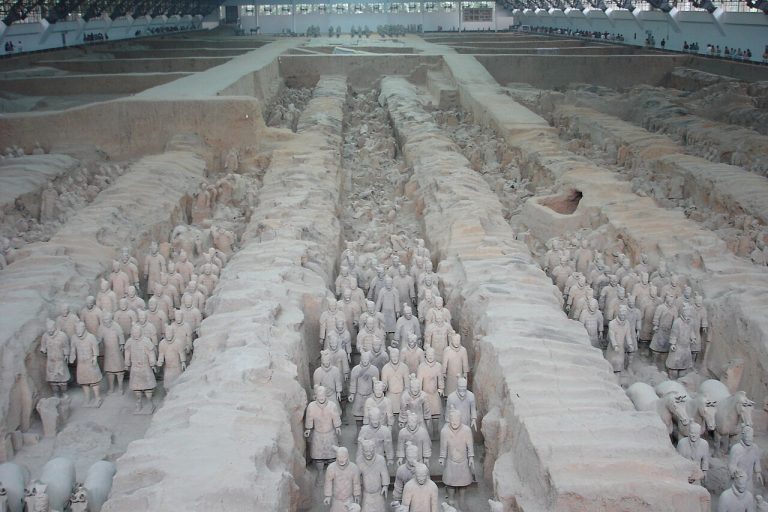
The OP protagonist (无敌流) is the xianxia trope where the main character is overwhelmingly stronger than everyone from early on. Learn the 5 variants and why readers love it.

Reincarnation (重生) is the xianxia trope where the protagonist dies and returns to their own past with full memories. Learn the 5 variants and how it differs from transmigration.
System cultivation (系统流) is the xianxia trope where the protagonist gets a game-like interface with quests, stats, and rewards. Learn why it took over the genre.
Transmigration (穿越) is the xianxia trope where a modern person dies and their soul enters a body in the cultivation world. Learn the 5 variants and why readers love it.
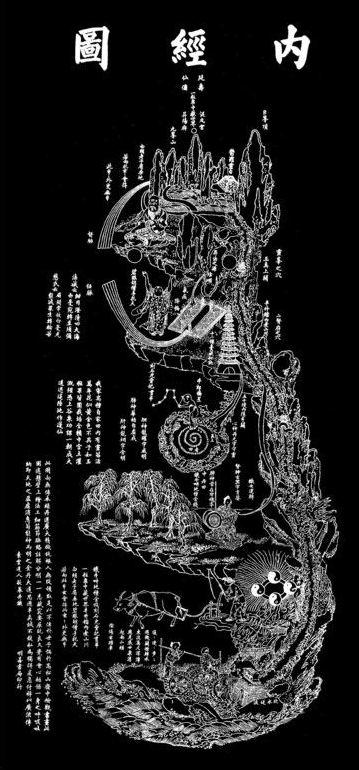
Neidan (内丹) is Daoist internal alchemy – refining qi inside the body to produce an immortality elixir. Learn the 4-stage cascade and how it gave xianxia its realm system.

Wuji (无极) is the Daoist concept of undifferentiated void preceding Taiji. Learn cosmology, neidan practice, and how xianxia uses Wuji as the highest comprehension.
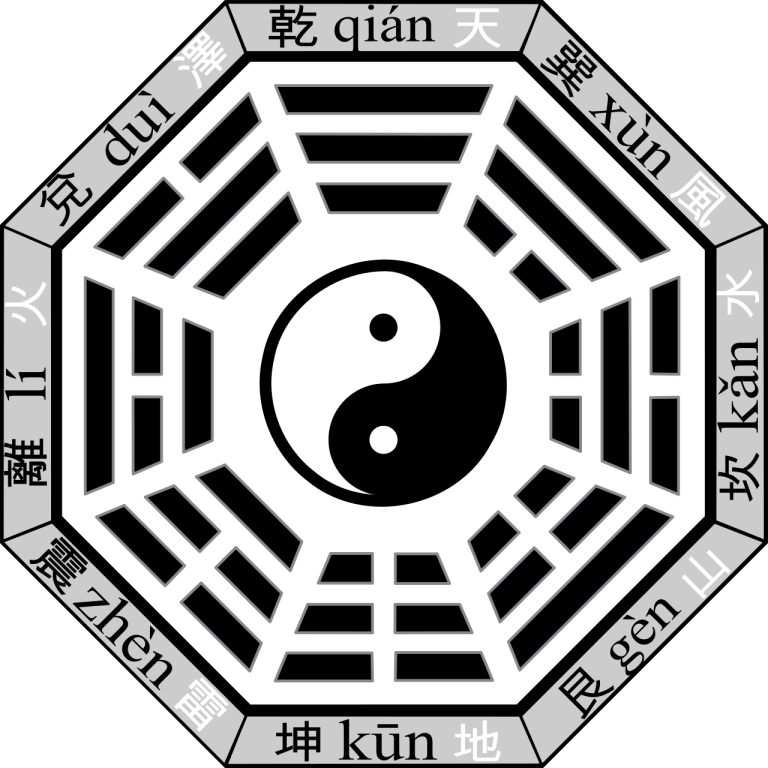
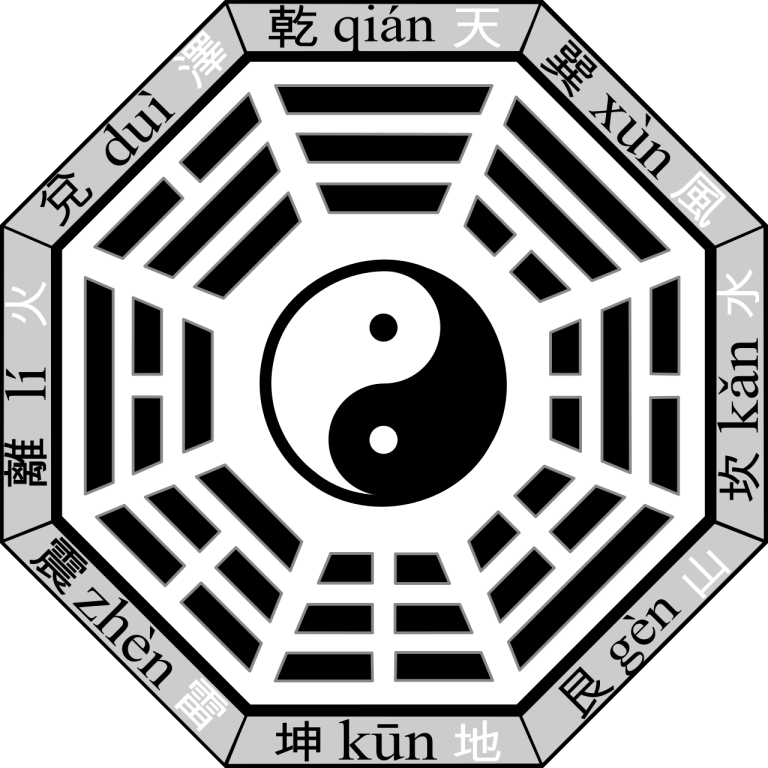
Bagua (八卦) is the system of eight trigrams from the I Ching. Learn the eight trigrams, Fuxi vs King Wen arrangements, and how xianxia uses bagua formations.
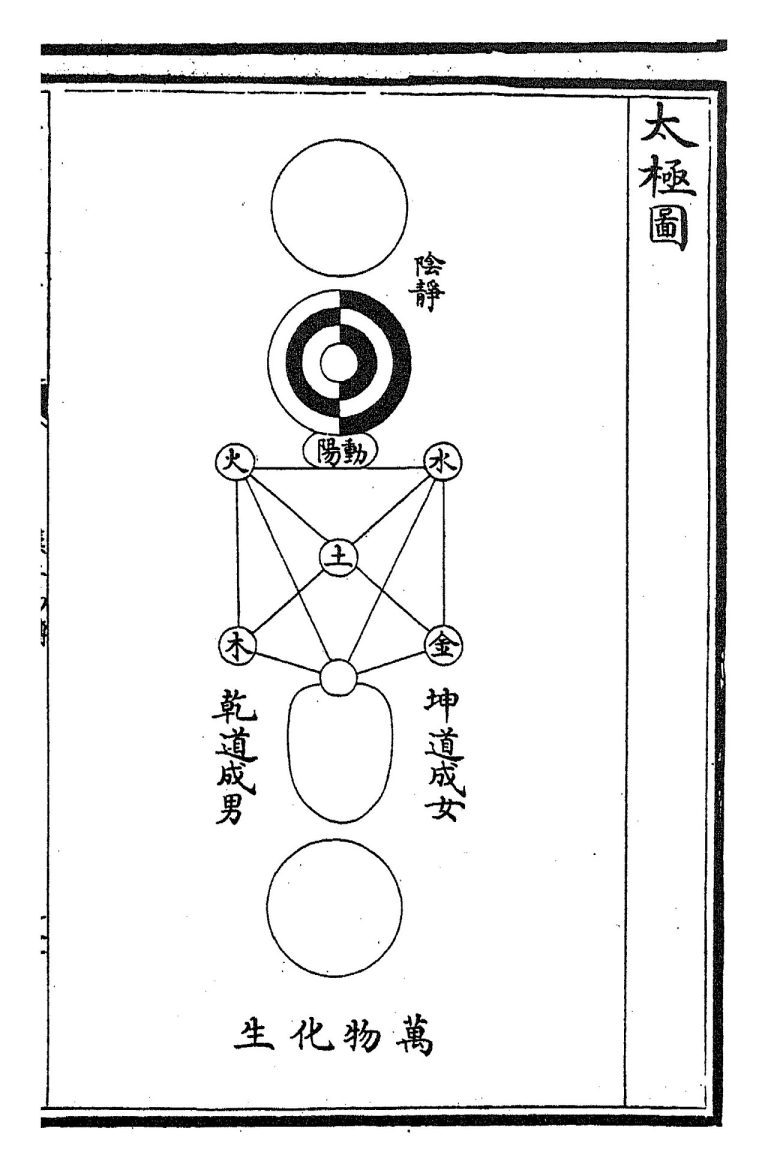
Taiji (太极) is the Daoist ‘supreme ultimate’ — the first stirring from Wuji that produces yin and yang. Learn cosmology, taijiquan origins, and xianxia fusion techniques.
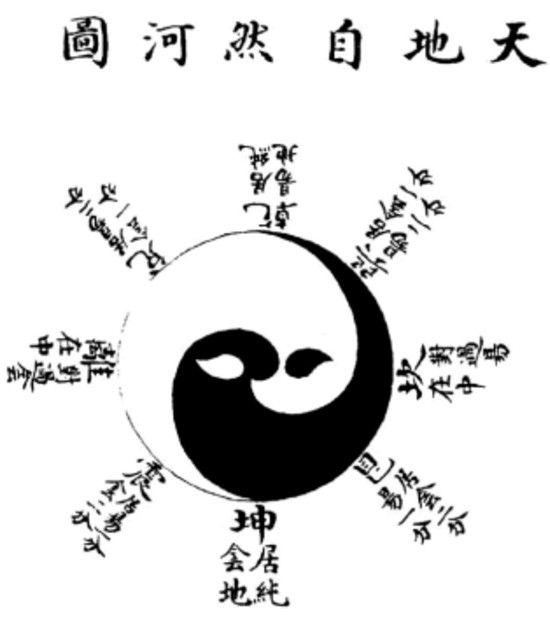
Heaven and Earth qi (天地之气) is the yang/yin division of ambient qi by source. Learn regional composition, cultivator affinities, and fusion techniques.
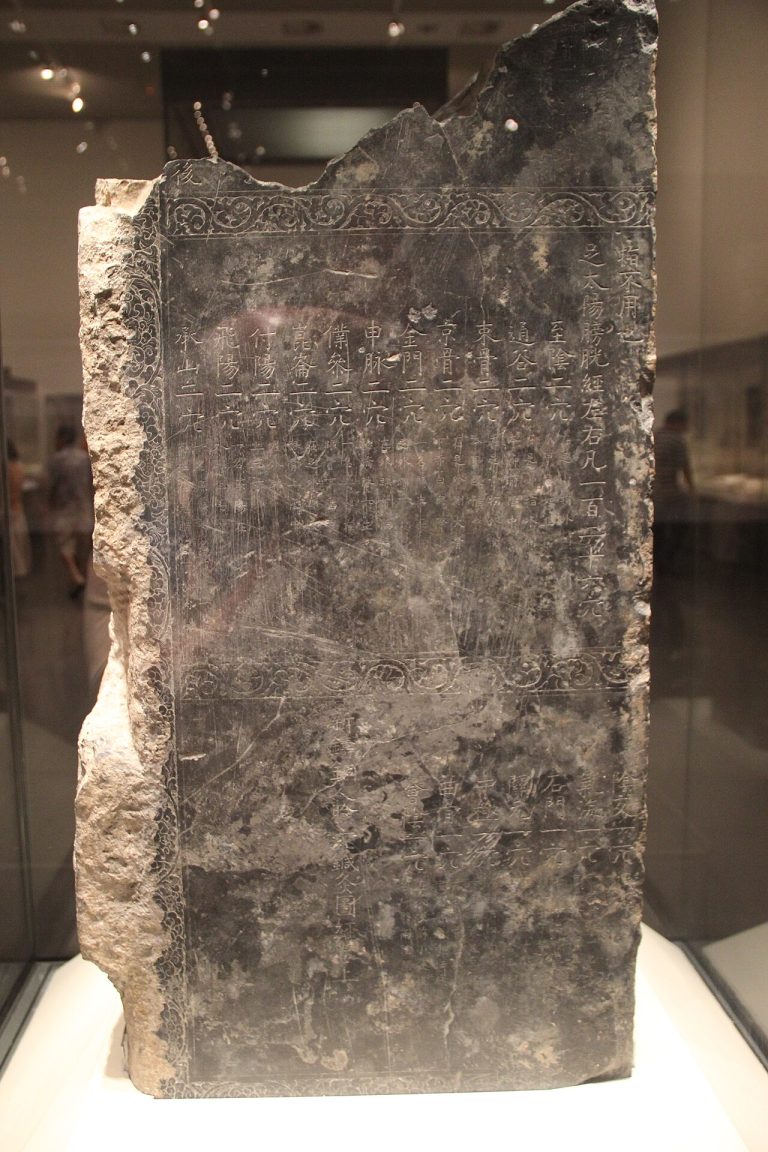
Acupoint (穴位) is a node on the meridian network used in TCM and wuxia combat. Learn sealing, vital-point strikes, and famous fictional acupoints.
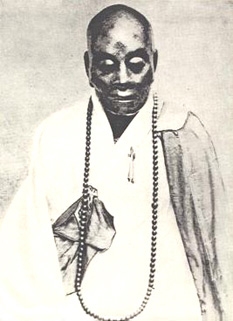
Insight (顿悟) is the sudden flash of comprehension that lets cultivators break through bottlenecks. Learn triggers, levels, and the Chan Buddhist origins.
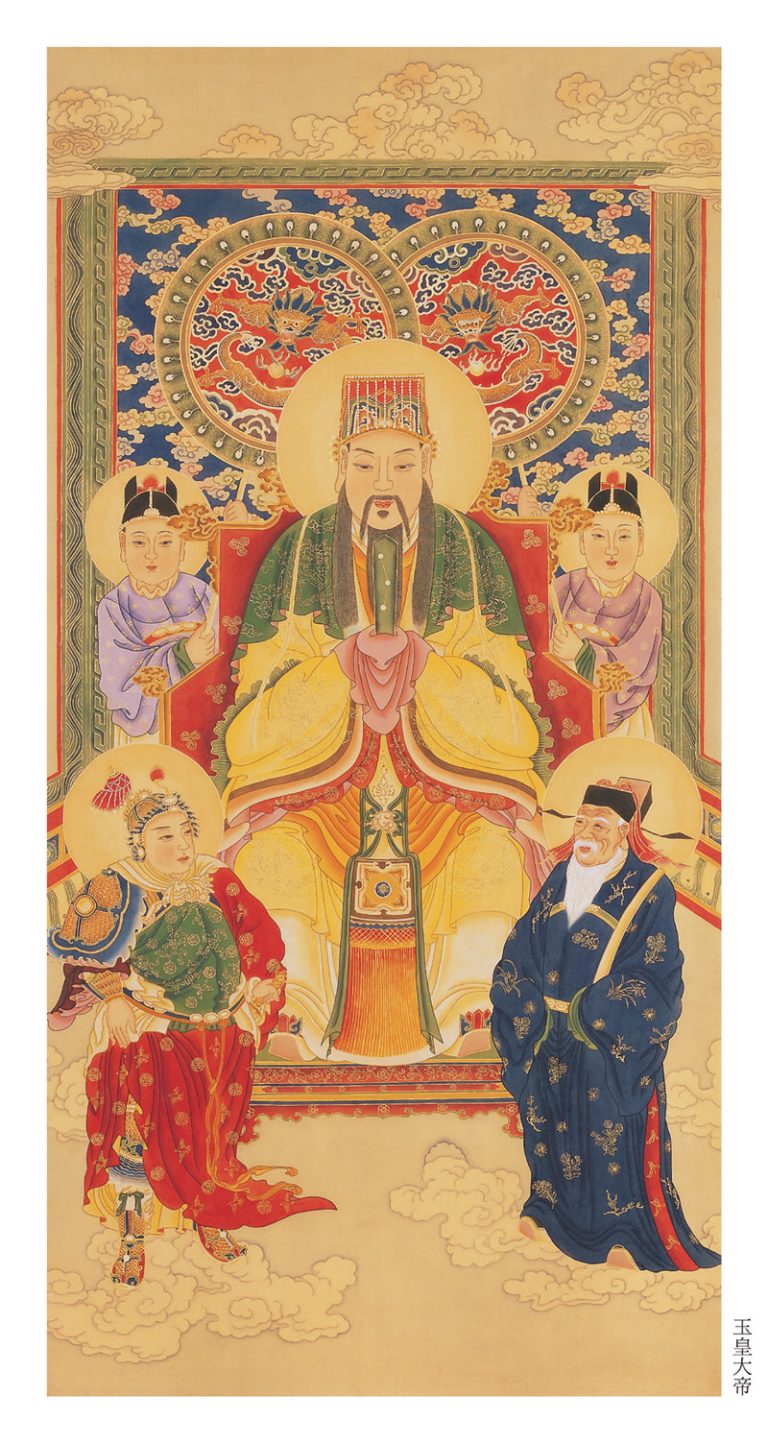
Heavenly Dao (天道) is the cosmic principle governing xianxia universes. Learn whether it’s conscious, how it relates to tribulations, and the defiance tropes.