Acupoint in Wuxia & Xianxia: Pressure Points and Their Combat Uses
An acupoint (穴位 / Xuéwèi, pronounced “shweh-way”) is a specific node on the body’s meridian network where qi pools and can be stimulated to produce specific effects. In traditional Chinese medicine, acupoints are the targets of acupuncture and acupressure therapy. In wuxia and xianxia fiction, they are also the targets of attack: a skilled martial artist can paralyze, mute, blind, or kill an opponent by striking the right acupoint with the right qi.
What Does Acupoint Mean?
The Chinese xuéwèi combines xué (穴, “cavity, hole, lair”) and wèi (位, “position, location”). Together it means “cavity position” — a specific point on the body where the meridian network surfaces and is accessible to manipulation.
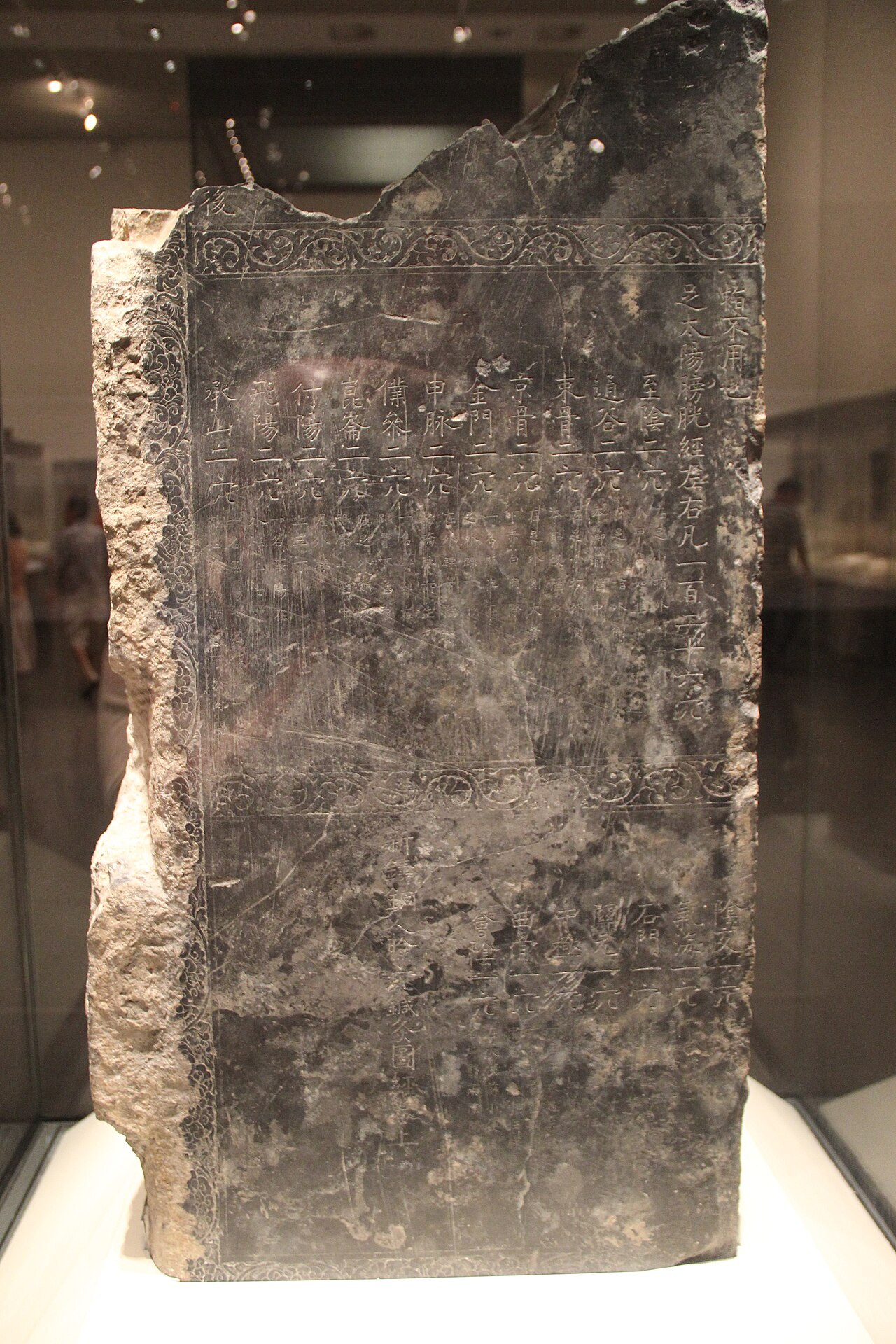
Traditional Chinese medicine recognizes approximately 365 standard acupoints, mirroring the days of the year and arranged along the twelve primary meridians plus the eight extraordinary vessels. Each point has a documented function: stimulating it affects specific organs, qi flows, or bodily systems (Wikipedia: Acupuncture point).
Wuxia and xianxia novels treat acupoints as both medical and combat targets, with the latter usage being the dramatic focus.
Pronunciation
| Pinyin | Xuéwèi (2nd tone + 4th tone) |
| English approximation | “shweh-way” |
| Chinese characters | 穴位 (simplified and traditional) |
| Alternate translations | “acupuncture point,” “pressure point,” “cavity,” “vital point” |
The term dianxue (点穴 / diǎnxué, “point cavity”) refers specifically to the martial-arts technique of striking acupoints, often translated as “pressure point striking” in English wuxia.
Cultural Origin
The acupoint system is documented in the Huangdi Neijing (黄帝内经), the foundational Chinese medical classic compiled around the 2nd century BCE. Over the following two millennia, Chinese medical practice refined the system into the modern catalog used by acupuncturists worldwide today.
The combat application — striking acupoints to incapacitate opponents — appears in martial arts literature from the Ming and Qing dynasties. Whether such techniques actually work as dramatically as fiction portrays is debated; some demonstrably affect nerve function and pain response, while the more spectacular fictional effects (instant paralysis, delayed-action poisoning, voice-sealing) are largely literary invention.
How Acupoints Work in Wuxia
Wuxia novels treat acupoints as the central tool of skilled combat. The trope:
Sealing Acupoints (点穴)
A martial artist strikes specific acupoints to disable an opponent without killing them. Standard effects:
- Motion-sealing: The opponent is paralyzed but conscious
- Voice-sealing: They cannot speak or cry out
- Qi-sealing: Their internal energy stops flowing, preventing technique use
- Sense-sealing: They are blind, deaf, or numb
A seal lasts a specific duration depending on the practitioner’s skill — minutes for a beginner, hours or days for a master. Sealed opponents can be unsealed by the original striker, by another skilled martial artist, or by waiting out the duration.
Vital Point Strikes (重穴)
The opposite of sealing: striking acupoints to kill rather than disable. Vital-point strikes target acupoints connected to essential organs — heart, brain, lungs. The kill is often described as elegant precisely because brute force is unnecessary; a small strike at the right location achieves what a heavy blow could not.
Delayed-Effect Strikes
Some advanced acupoint techniques produce effects that don’t manifest immediately. A traveler walks away from a duel feeling fine, only to die hours or days later as the disrupted qi flow reaches a critical organ. This is the genre’s standard “assassination by patient strike” mechanic.
How Acupoints Work in Xianxia
Xianxia preserves the wuxia uses and adds more:
Technique Acupoints
Specific acupoints serve as “release points” for cultivation techniques. A cultivator channels qi through their meridian network and discharges it through an acupoint on the palm, fingertip, or sole — different acupoints produce different effects (fireball vs. ice spike vs. wind blade) based on the cultivator’s dao specialization.
Spiritual Acupoints
Some acupoints in xianxia are explicitly spiritual rather than physical — the Baihui (百会, crown of the head), connected to the upper dantian, or the Yongquan (涌泉, sole of the foot), connected to earth qi absorption.
Bottleneck Acupoints
Several acupoints in xianxia are described as “bottlenecks” — points where qi flow can stagnate, causing cultivation slowdowns. Opening or clearing these bottleneck acupoints is a recurring breakthrough device.
Famous Acupoints in Fiction
A few acupoints appear so frequently across wuxia/xianxia novels they have become recognizable:
- Tanzhong (膻中, between the breasts) — central upper-body acupoint; striking it disables most opponents
- Baihui (百会, crown) — connected to consciousness; striking it can cause unconsciousness or worse
- Mingmen (命门, “gate of life,” lower back) — connected to vital essence; striking it can be fatal
- Yintang (印堂, between the eyebrows) — connected to the upper dantian; significant for spiritual practice
- Renzhong (人中, between nose and upper lip) — emergency revival point in TCM, often used by martial artists to revive stunned allies
A novel that names specific acupoints correctly is signaling research; one that invents acupoints freely is signaling that the genre’s specifics matter less than the dramatic function.
Related Terms
- Meridians — the channel network acupoints sit on
- Qi — the substance that flows through both
- Dantian — connected to specific acupoints (Tanzhong, Baihui, etc.)
- Qi Deviation — can result from improperly stimulating acupoints
Common Misconceptions
“Acupoint sealing works on anyone.” In wuxia/xianxia, sealing requires the striker’s qi to overcome the target’s qi. Sealing works on opponents weaker than the striker. A stronger opponent can resist or instantly break the seal. Wuxia masters defeated by acupoint sealing are usually portrayed as caught off guard rather than overwhelmed.
“Acupoints are unique to Chinese fiction.” Many martial-arts traditions worldwide describe vital-point or pressure-point combat. What is distinctive about the Chinese tradition is the integration with the meridian framework — vital points exist as part of a documented anatomical-energetic system, not as isolated combat targets.
“All acupoint techniques are real.” The basic acupoint system is real Chinese medicine. The cinematic delayed-paralysis techniques are largely fictional embellishment. Real acupressure can affect nerve function and pain response; it does not produce instant paralysis or voice-sealing.
FAQ
Q: How does a wuxia character learn acupoint techniques?
Typically through a master who has documented their school’s specific acupoint applications. Manuals exist but are guarded — many wuxia plots involve the theft or pursuit of acupoint manuals. The combat applications take years to master because they require precise anatomical knowledge plus the ability to channel qi at controlled intensity.
Q: Why don’t all wuxia fighters use acupoint techniques?
Because they’re hard to land. Acupoint strikes require touching specific small points on a moving opponent. Most fighters cannot reliably hit them in real combat. Acupoint masters are rare because the skill ceiling is so high — most can disable opponents only when they have a significant skill advantage.
Q: Are acupoints the same as chakras?
No. Chakras are seven (or twelve) energy centers from Indian yogic tradition, distributed along the spine. Acupoints are 365 specific points along the Chinese meridian system. The two traditions evolved independently and use different anatomical maps.
See Also
- Meridians — the channel network
- Qi, Dantian — the systems acupoints connect to
- Cultivation Realms Explained — how acupoints function across realms
- Daoism in Xianxia — the medical-religious tradition behind the system
Sources:
– Acupuncture Point — Wikipedia
– Acupuncture — Wikipedia
– Meridian (Chinese Medicine) — Wikipedia
– Huangdi Neijing — Wikipedia