Nascent Soul in Xianxia: The Realm That Transforms Body into Vessel
The nascent soul (元婴 / Yuányīng, pronounced “yuan-ying”) is a miniature spirit-child that grows inside a cultivator’s dantian after their golden core cracks open. From the Nascent Soul realm onward, the cultivator’s body is no longer their true self — the body becomes a vessel, and the nascent soul inside is who they actually are. This is the threshold where xianxia leaves behind martial-arts logic and enters the genre’s most metaphysical territory.
What Does Nascent Soul Mean?
The Chinese term breaks down to yuan (元, “primal” or “origin”) and ying (婴, “infant”). A nascent soul is literally a “primal infant” — a soul-shaped figure that is both the cultivator’s essence in concentrated form and the seed of their eventual immortality. In most novels, it appears as a tiny humanoid the size of a finger, suspended inside the dantian, often resembling the cultivator at a young age.
Three points about what the nascent soul is:
- It is the cultivator’s true self. The physical body becomes secondary. If the body is destroyed but the nascent soul escapes, the cultivator survives.
- It is made of compressed qi and spirit. Its substance is the former golden core, now reorganized into a being-like form rather than an organ-like one.
- It can act independently. The nascent soul can fly, speak, fight, and possess other bodies, all separate from the original body.
For the broader hierarchy nascent soul fits within, see Cultivation Realms Explained.
Pronunciation
| Pinyin | Yuányīng (2nd tone + 1st tone) |
| English approximation | “yuan-ying” (rhymes with “renew king”) |
| Simplified Chinese | 元婴 |
| Traditional Chinese | 元嬰 |
Some translators render the realm as “Yuan Ying,” “Primordial Spirit,” or “Original Infant.” All refer to the same concept. The realm itself is Nascent Soul Stage (元婴期 / Yuányīng qī).
Cultural Origin
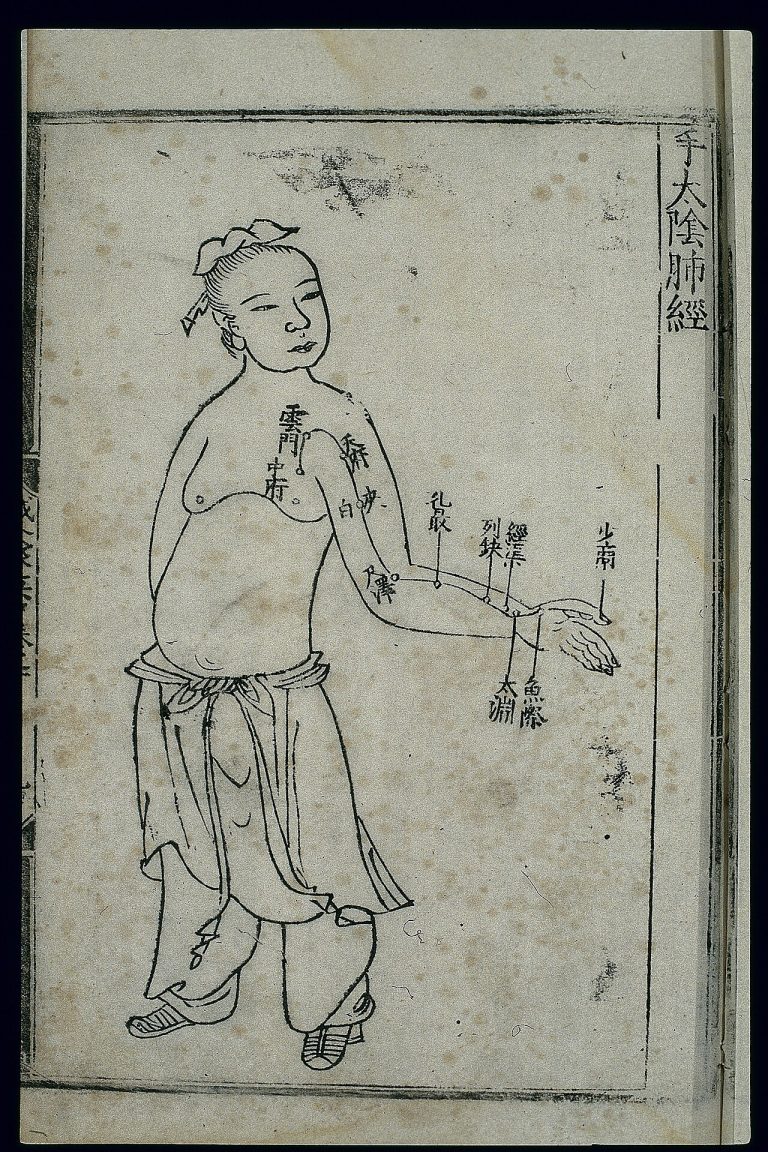
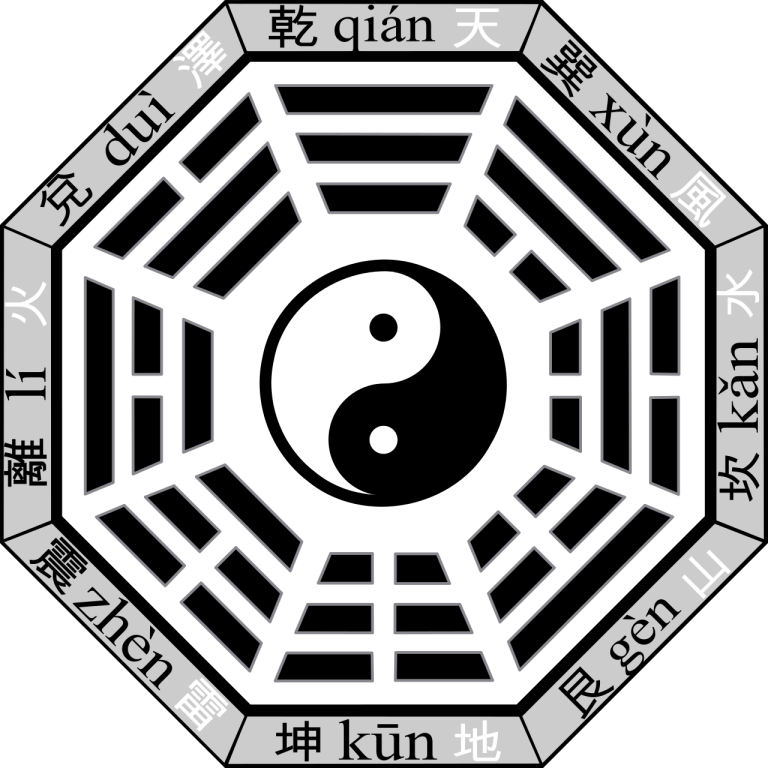
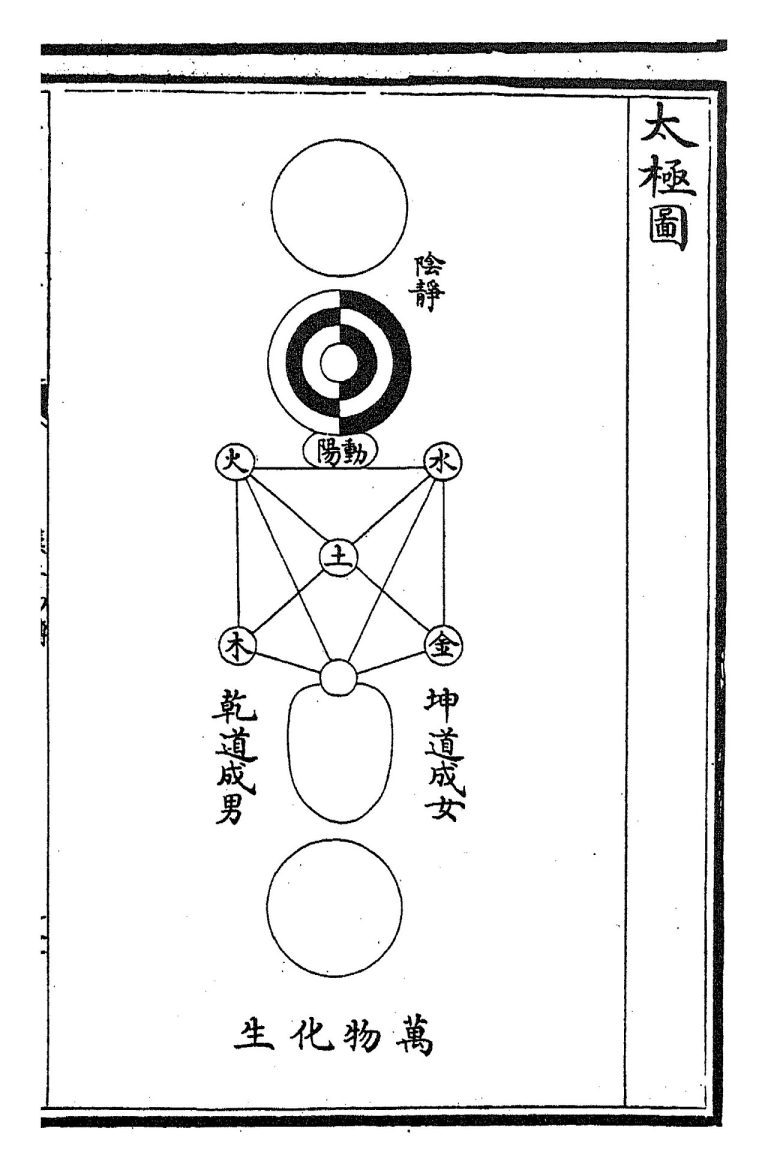
The nascent soul concept comes directly from Daoist internal alchemy (内丹). In the classical neidan tradition, the practitioner cultivated their inner energy through three stages — refining essence (精) into qi (气), qi into spirit (神), and spirit into emptiness (虚). The intermediate stage produced a “spiritual embryo” or “immortal fetus” visualized inside the lower dantian, an entity that would eventually be born from the body and rise to immortality (Wikipedia: Neidan).
The image of a tiny figure inside the cultivator’s body — bearing their features, born from their refined energy, capable of leaving the body — is recognizably the nascent soul. Modern xianxia takes the Daoist metaphor and treats it as a literal organ-being.
The concept draws specifically on the Chinese framework of hun and po (魂魄) — the two souls in Daoist and folk tradition: the hun (ethereal, yang soul) and the po (corporeal, yin soul). A nascent soul cultivator who has fully formed their yuanying has, in effect, consolidated these two soul-aspects into a single durable spirit-body that can survive the death of the flesh.
How Nascent Soul Works in Cultivation Novels
Formation
A Nascent Soul cultivator transitions from Core Formation through a process roughly like this:
- Saturation: The golden core absorbs qi until it reaches maximum density
- Cracking: The core cracks open from within
- Emergence: A small humanoid figure crystallizes from the core’s substance
- Stabilization: The cultivator must guide the new soul through its first hours of existence, when it is most vulnerable
- Tribulation: A heavenly tribulation tests the new soul — typically the first major tribulation a cultivator faces
If formation fails, the cultivator’s core is destroyed and the cultivator either dies or regresses to early Core Formation. The Nascent Soul transition is the genre’s first true life-or-death breakthrough.
Lifespan and Abilities
A Nascent Soul cultivator gains:
- Lifespan extension to roughly 1,000–2,000 years (varies by novel)
- Free flight without needing a sword or talisman
- Spiritual sense projected across a city or small region — they can perceive a square kilometer of detail in a moment
- Divine sense communication — speaking mind to mind, across distances
- Body-soul separation — they can deliberately leave the body to scout, fight, or hide
The genre treats Nascent Soul cultivators as sect ancestors rather than active sect members. They emerge from seclusion to handle crises and otherwise live on the edges of the cultivation world.
Body Destruction and Reincarnation
If a Nascent Soul cultivator’s body is destroyed, the nascent soul can:
- Possess a new body (夺舍 / duóshè, “body snatching”) — usually a young cultivator or compatible mortal. This is morally fraught and often used by villains.
- Reincarnate — wait in a hidden form for a compatible newborn, then merge with it from birth.
- Survive on its own — for a limited time, the soul can subsist without a body, but loses cultivation slowly without one.
This soul-survival mechanic is the foundation for a huge number of xianxia plots, especially “transmigration” and “rebirth” protagonists — the body-snatch device works both ways. A Nascent Soul who possesses a younger body retains all their cultivation memory but must rebuild a body the soul did not grow in. A rebirth protagonist is often a former Nascent Soul whose body died but whose soul fled to a much earlier time.
The Original Body Question
Most novels distinguish three sub-states of the cultivator’s physical existence after Nascent Soul:
- Original body intact: Body and soul together; the standard case
- Soul-with-vessel-body: The original body died, the soul possesses a different body
- Soul-only: No body at all; the soul is exposed and vulnerable
These states have different combat properties. An exposed nascent soul can be killed in a single strike by a careful opponent, even one weaker than the soul’s original cultivation level.
Higher Realms
At Soul Formation (化神) and beyond, the nascent soul matures and gradually transforms further:
- Soul Formation: The nascent soul grows to adult size and gains intricate spiritual structures
- Void Refinement: The nascent soul partly dissolves into pure spiritual essence
- Body Integration: The nascent soul and body fully merge into a unified entity
- Mahayana / Ascension: The merged being prepares to enter the immortal realms
The nascent soul stage is, in this sense, the first form of the cultivator’s eventual immortal self. It will be refined and transformed many more times before ascension.
Why Nascent Soul Matters Dramatically
Nascent Soul is the genre’s most-used dramatic threshold because:
- It separates body from identity. Before Nascent Soul, killing the body kills the cultivator. After, it might not. This opens narrative possibilities the lower realms cannot.
- It gates flight and spiritual sense. Below Nascent Soul, characters travel slowly and perceive only what’s near them. Above, the world opens up. Many xianxia world-tours start at this realm.
- It is the first true heavenly tribulation. Lower-realm tribulations are warm-ups. Nascent Soul tribulation is the first one that can definitively kill the protagonist.
- It marks the cultivator as no longer mortal. A Nascent Soul cultivator does not eat, drink, or age. The social break with mortal society is total.
Related Terms
- Golden Core — the organ that cracks to release the nascent soul
- Dantian — where the nascent soul resides
- Tribulation — the trial faced at Nascent Soul breakthrough
- Dao — comprehension of which determines the nascent soul’s strength
- Spiritual Sense — projected awareness emerging at Nascent Soul
Common Misconceptions
“The nascent soul is a child of the cultivator.” No. The nascent soul is the cultivator. It looks young because it is newly formed, not because it is a separate offspring. The cultivator’s awareness, memory, and personality reside in the soul.
“A nascent soul is invulnerable.” A nascent soul is harder to kill than a body, but not invulnerable. Soul-attack techniques specifically target nascent souls and bypass body defense. A skilled Nascent Soul cultivator with no soul-attack defense can be killed by a much weaker opponent who knows the right technique.
“Possessing another body is just a power-up.” It is, technically — body snatching restores a destroyed cultivator’s combat capacity. But every novel treats it as morally ambiguous at best, since the soul that previously inhabited the body has been displaced or destroyed. Villains body-snatch freely. Protagonists usually find another solution.
FAQ
Q: Can a nascent soul be killed?
Yes — by soul-attack techniques, by being trapped in a soul-sealing treasure, or by being overwhelmed by a much stronger spiritual sense. The default difficulty is “much harder than killing the body” but not “impossible.”
Q: Why do nascent souls look like the cultivator?
Because they are formed from the cultivator’s accumulated qi, spirit, and dao comprehension — which carry the imprint of the cultivator’s self. The resemblance is often described as the cultivator at age 10–15, before the corrupting weight of adulthood. Some novels treat this as symbolic; others treat it as literal.
Q: Can multiple nascent souls be formed?
In standard xianxia, no — one cultivator forms one nascent soul. Some novels invent exceptions: twin nascent souls, soul splitting, or a “second nascent soul” technique. These are usually protagonist exclusives or villain tricks.
See Also
- Cultivation Realms Explained — where Nascent Soul fits in the hierarchy
- Golden Core, Dantian, Tribulation — directly connected concepts
Sources:
– Neidan (Internal Alchemy) — Wikipedia
– Xian (Taoism) — Wikipedia
– Xianxia — Wikipedia
– Pregadio, Fabrizio. The Encyclopedia of Taoism. Routledge, 2008.