Heavenly Dao in Xianxia: The Cosmic Order Behind Cultivation
The Heavenly Dao (天道 / Tiāndào, pronounced “tyen-dao”) is the supreme cosmic principle that governs the xianxia universe — the impartial cosmic order that maintains balance, dispatches tribulations, and sets the rules cultivators must work within or against. It is not a god in most novels; it is closer to the laws of physics, but applied to morality and cultivation as well as natural events. Whether the Heavenly Dao has personality, intent, or consciousness varies by novel — the question is often the genre’s deepest theological argument.
What Does Heavenly Dao Mean?
The Chinese tiāndào combines tiān (天, “heaven, sky”) and dào (道, “way, path”). Together it means “the way of heaven” — the patterns by which the cosmos operates. The phrase predates xianxia by 2,500 years and appears throughout classical Chinese thought, with shifting meanings:
- Daoist sense: The dao operating at the cosmic level, the same dao Laozi described in the Dao De Jing
- Confucian sense: The moral order of the universe, which a virtuous ruler aligns with
- Folk sense: The justice of heaven that eventually punishes wrongdoing
- Mohist sense: Heaven as a quasi-personal moral judge
Xianxia inherits all four shades and combines them. The genre’s Heavenly Dao is partly impersonal law, partly moral arbiter, and partly the system that all cultivators must reckon with as they grow strong enough to potentially disturb it.
For the broader dao concept this is part of, see the main dao entry.
Pronunciation
| Pinyin | Tiāndào (1st tone + 4th tone) |
| English approximation | “tyen-dao” |
| Chinese characters | 天道 (simplified and traditional) |
| Alternate translations | “Way of Heaven,” “Heaven’s Dao,” “Cosmic Order” |
How the Heavenly Dao Functions
In xianxia novels, the Heavenly Dao does several things:
Maintains Cosmic Balance
The Heavenly Dao’s primary function is enforcing balance. When any single cultivator, sect, or force becomes too powerful, the dao corrects through tribulations, karmic backlash, or the rise of opposing forces. This is the cosmological reason for tribulations — not punishment, but rebalancing.
Dispenses Justice (Sometimes)
In some novels, the Heavenly Dao explicitly rewards virtue and punishes vice through karmic mechanisms. A cultivator who saves many lives may receive favorable omens; one who commits atrocities may suffer heart demon tribulations. In other novels, the dao is amoral — purely concerned with balance, indifferent to ethics.
Sets the Rules of Cultivation
The realm hierarchy, the breakthrough mechanics, the limits of qi techniques — all are interpreted as expressions of the Heavenly Dao’s structure. A cultivator who comprehends the Heavenly Dao deeply enough begins to grasp why the cultivation framework exists, not just how to use it.
Limits Maximum Power
Many novels set the Heavenly Dao as the upper ceiling. No cultivator can become stronger than the dao itself — though some plots end with a protagonist either merging with or transcending the Heavenly Dao, which usually requires breaking the novel’s previous physics.
Sends Tribulations
The cosmic trials that punish realm breakthroughs are the Heavenly Dao’s most visible action. Whether the dao “sends” them with intent or they “arise naturally” from cultivator power is exactly the kind of question novels treat differently.
Is the Heavenly Dao Conscious?
The genre’s deepest theological question. Three positions appear:
Position 1: Impersonal Law
The Heavenly Dao is like gravity — a cosmic pattern with no consciousness, no preferences, no awareness. It responds mechanically to imbalance. This is the strictly philosophical-Daoist reading and is preferred by serious xianxia like A Record of a Mortal’s Journey to Immortality.
Position 2: Quasi-Conscious
The Heavenly Dao has some form of awareness — enough to identify threats and dispense targeted tribulations, but not enough to be considered a being with personality or wishes. It is conscious in the way an ecosystem is “conscious” — responding to disturbance without having a face.
Position 3: Personified Heaven
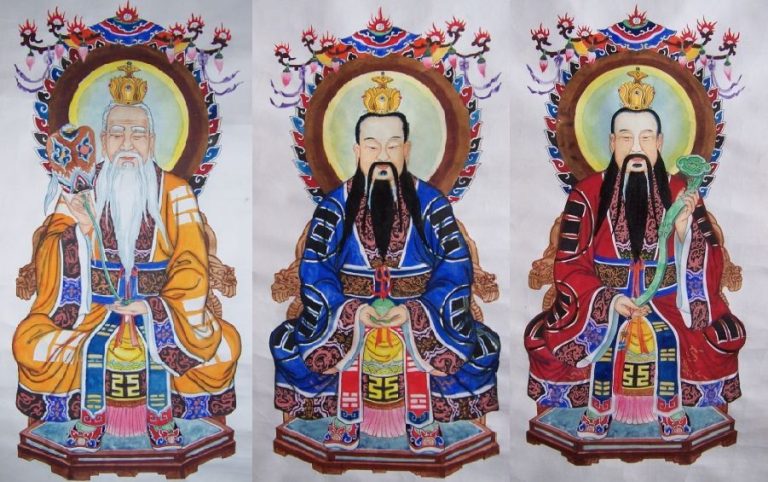
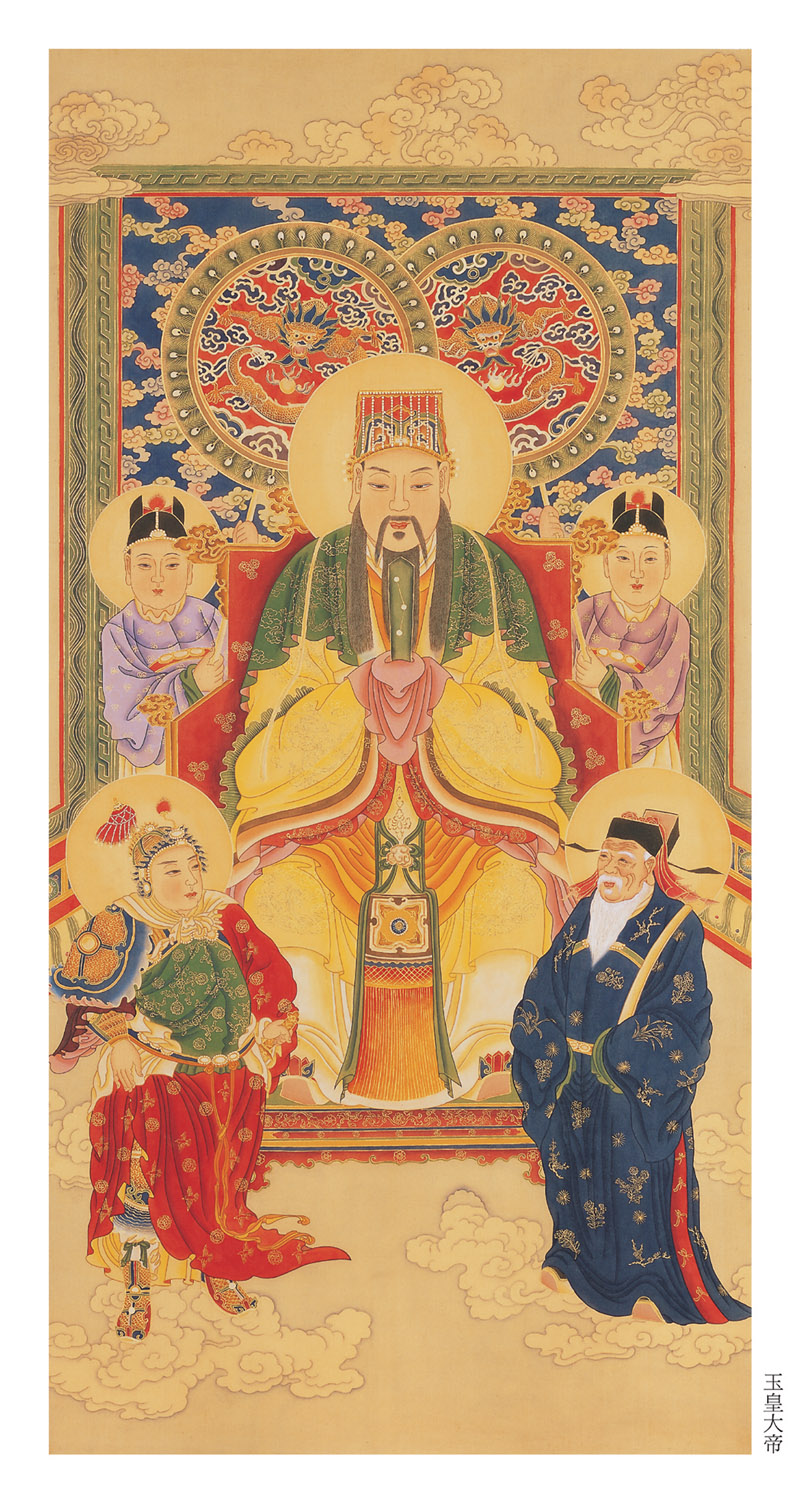
The Heavenly Dao manifests as or includes a deity — typically the Jade Emperor (玉皇大帝) or a Daoist supreme being. This pulls religious Daoism’s pantheon into the cultivation framework. Common in xianxia novels with explicit divine realm arcs.
Modern xianxia often combines positions. A novel might present the Heavenly Dao as impersonal in mortal realms but increasingly conscious as the protagonist enters the higher immortal realms.
The Heavenly Dao vs. Specific Daos
The relationship between the Heavenly Dao and the specific daos cultivators comprehend:
- The Heavenly Dao is the totality — all cosmic principles unified
- Specific daos (fire dao, sword dao, time dao) are sub-principles
- A cultivator who masters fire dao understands one facet of the Heavenly Dao
- A cultivator who masters multiple daos approaches understanding the Heavenly Dao as a whole
Reaching the highest realms requires comprehending the Heavenly Dao directly — not as a sub-principle but as the unified cosmic order. This is described in nearly all xianxia as the threshold between mortal-world cultivation and immortal-realm cultivation.
Defying the Heavenly Dao
The most ambitious xianxia plots involve protagonists who challenge the Heavenly Dao itself:
Standard Defiance
The protagonist refuses to die to a tribulation they “should” have failed. The dao escalates; the protagonist refuses again. This is the dramatic backbone of many high-realm arcs.
Reformation
The protagonist seeks to change the Heavenly Dao’s rules — perhaps to allow more cultivators to ascend, to reduce tribulation severity, or to remove a perceived injustice. Reformation plots are slower and more philosophical.
Replacement
The protagonist’s ultimate ambition is to become the Heavenly Dao — to merge with or overwrite the existing cosmic order. This is xianxia’s highest-stakes story type and almost always ends the novel.
Related Terms
- Dao — the broader concept; Heavenly Dao is the totality
- Tribulation — the Heavenly Dao’s enforcement mechanism
- Heart Demon — the internal version of dao-imposed trial
- Cultivation Realms — the structure the Heavenly Dao sustains
- Daoism in Xianxia — the religious tradition behind the concept
Common Misconceptions
“The Heavenly Dao is God.” It can function similarly in some novels, but the philosophical default is closer to “the laws of physics + the moral order of the cosmos” than to a Christian-style personal deity. Conflating the two collapses an interesting question into a familiar one.
“The Heavenly Dao is always fair.” Many xianxia novels explicitly portray the dao as inhumanly cold — fair in the sense of impartial, but indifferent to individual cases. A virtuous cultivator can suffer worse tribulation than a wicked one if their power exceeds the wicked one’s.
“Defying the Heavenly Dao always fails.” In most xianxia, no — defiance is the path of the strongest cultivators. The dao does not enforce absolute submission; it enforces eventual rebalancing. A cultivator strong enough to survive every tribulation is, by definition, beyond the dao’s correcting force.
FAQ
Q: Is there only one Heavenly Dao?
In most novels, yes — within a given cosmos. Multi-cosmos novels may have multiple Heavenly Daos, each governing its own universe, with the protagonist’s growth eventually requiring travel between them.
Q: Does the Heavenly Dao care about individuals?
In the impersonal reading, no — it only cares about balance, and individuals matter only insofar as they disturb balance. In the personified reading, yes — the dao notices specific cultivators and responds to them by name. Most novels split the difference: the dao notices, but its responses are formulaic rather than personalized.
Q: Can the Heavenly Dao be killed?
In the most ambitious xianxia, yes — but doing so usually destroys the cosmos along with it, or requires the protagonist to become the new Heavenly Dao immediately to prevent collapse. The “kill the heavens” climax is a recognized but rare narrative endpoint.
See Also
- Dao — the underlying concept
- Tribulation — the Heavenly Dao in action
- Cultivation Realms Explained — the structure it sustains
- Daoism in Xianxia — the religious tradition
Sources:
– Tian — Wikipedia
– Mandate of Heaven — Wikipedia
– Tao — Wikipedia
– Daoist Cosmology — Wikipedia