Dao Heart in Xianxia: Meaning, Cracks, and How Cultivators Protect It
The dao heart (道心 / Dàoxīn) is a cultivator’s absolute conviction in their chosen path — the mental and spiritual foundation that determines whether they can break through to higher realms without collapsing into qi deviation or demonic cultivation. It is not a physical organ but a psychological-moral state: an unshakeable sense of purpose that sustains a cultivator through tribulations, combat, and loss. A strong dao heart makes the impossible possible. A cracked dao heart ends careers.
What Does Dao Heart Mean?
The phrase breaks down to dao (道, “way”) and xin (心, “heart” or “mind”). Together, dàoxīn means something like “the state of mind that is aligned with the dao” — a combination of conviction, clarity, and spiritual integrity that keeps a cultivator on their chosen path without wavering.
A cultivator’s dao heart has three dimensions in most xianxia systems:
- Conviction: Does the cultivator believe in their path absolutely? Can they be shaken by mockery, intimidation, or moral challenge?
- Clarity: Can the cultivator see their own dao clearly? Or do conflicting desires, attachments, and regrets cloud their vision?
- Resilience: Can the cultivator absorb attacks against their conviction without cracking?
The three reinforce each other. A cultivator with strong conviction but weak clarity charges forward but might charge the wrong way. A cultivator with perfect clarity but weak conviction knows exactly what they should do but cannot bring themselves to do it.
Pronunciation
| Pinyin | Dàoxīn (4th tone + 1st tone) |
| English approximation | “dow-shin” (rhymes with “how-pin”) |
| Chinese characters | 道心 |
| Literal translation | heart of the way, dao-mind |
Some English translations render it as “dao mind” or “heart of the dao” to preserve the ambiguity of xin (which means both heart and mind in Chinese). The standard is “dao heart.”
Cultural Origin
The term dàoxīn appears in both Daoist and Confucian traditions with different meanings:
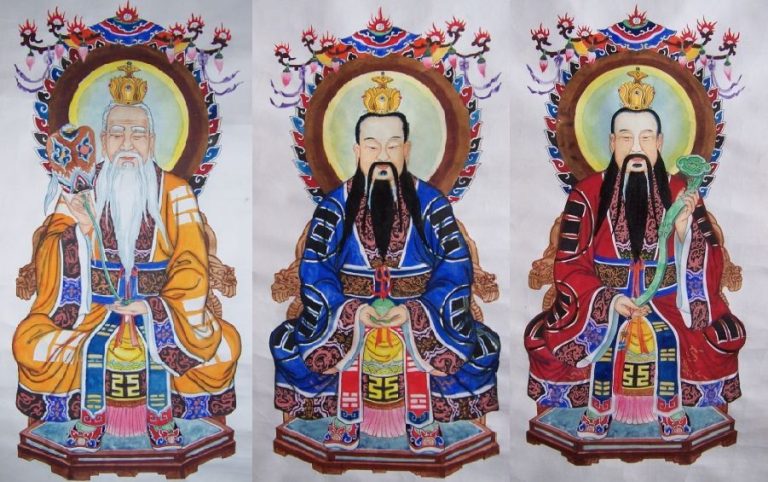
- Daoist: In the Daoist context, dao heart refers to the state of being so aligned with the dao that one acts without effort or hesitation — the wuwei (无为) ideal. The Dao De Jing describes the sage as someone who has so thoroughly internalized the dao that their actions are naturally correct.
- Confucian: In Neo-Confucian thought (especially the Song dynasty Confucians), dàoxīn was contrasted with rénxīn (人心, “human heart”) — the difference between acting from moral principle versus acting from selfish desire. Cultivating the dao heart meant overcoming one’s human heart’s temptations.
Xianxia borrows from both traditions and makes the concept concrete: dao heart becomes a measurable quality that can be tested, strengthened (or cracked), and that has observable effects on breakthrough success. For how dao heart interacts with tribulations, see the tribulation entry, especially the Heart Demon section.
How Dao Heart Works in Cultivation Novels
Strengthening the Dao Heart
Dao heart cannot be trained by sitting and meditating the way qi cultivation is trained. It is strengthened through life experience, specifically through:
- Overcoming trauma: A cultivator who survives a setback — losing a loved one, losing a limb, losing cultivation — and keeps going has a stronger dao heart afterward.
- Making hard choices: Choosing the right course over the easy one. Killing a friend who has become a demon cultivator. Sparing an enemy who should be killed.
- Affirming purpose: Publicly declaring one’s dao (sometimes as a full-sentence oath) and then living up to it. This is why protagonists announce “I will become the strongest cultivator under heaven” — saying it aloud commits the dao heart to the claim.
- Surviving tribulation: Passing a heavenly tribulation (especially the heart demon variant) automatically strengthens the dao heart, because the cultivator has faced their worst self and remained intact.
The Cracking
A dao heart “cracks” (心碎 / xīn suì, “heart shattering”) when a cultivator encounters something that fundamentally contradicts their chosen path. Common triggers:
- Moral crisis: A “righteous” cultivator is ordered by their sect to kill an innocent person
- Failed protection: A cultivator whose dao is to protect the weak watches everyone they care about die
- Revelation: A cultivator dedicated to avenging their family discovers the “enemy” was actually their family’s victim
- Defeat: Total, public, humiliating defeat by an opponent who mocks the cultivator’s dao
The symptoms of a cracked dao heart are standardized across the genre:
- The cultivator loses interest in cultivation
- Breakthrough attempts fail, sometimes regressing
- Qi circulation becomes erratic — the first step toward qi deviation
- In extreme cases, the cultivator abandons cultivation entirely or converts to demonic cultivation
Repairing a Cracked Dao Heart
The genre offers several recovery paths:
- External event: The cultivator encounters a new purpose that replaces the old one — a new person to protect, a new enemy to fight, a new truth to discover
- Master intervention: A senior cultivator shares their own dao heart experience, guiding the broken cultivator through the crisis
- Time and seclusion: Years of silent cultivation until the pain fades and a new path emerges
- Extreme measure: A tribulation or a life-or-death battle that forces the cultivator to act before they are ready — either dies or rediscovers their dao in the act
Dao Heart vs. Dao
The distinction matters. Dao is the cosmic principle the cultivator comprehends. Dao heart is the cultivator’s conviction in pursuing their own misunderstanding of that principle. A cultivator can have deep dao comprehension but a weak dao heart — they understand fire-dao perfectly but cannot bring themselves to use fire as a weapon because of a past trauma.
Conversely, a cultivator can have shallow dao comprehension but an unbreakable dao heart — they will stubbornly pursue their path until they either break through or die. The combination of deep dao + strong dao heart is the genre’s peak cultivator profile.
Related Terms
- Dao — the cosmic principles; dao heart is the conviction to pursue them
- Tribulation — especially the heart demon type, which directly tests dao heart
- Qi Deviation — the physical consequence of a cracked dao heart
- Heart Demon — the internal opponent that attacks dao heart directly
- Demonic Cultivator — often created when dao heart cracks and the cultivator chooses shortcut power over their original path
Common Misconceptions
“Dao heart is the same as willpower.” Willpower is a component, but dao heart is more specific. A character can have immense willpower but a cracked dao heart — they can force themselves to do hard things, but the fundamental conviction that gave their life meaning has broken. That is worse than low willpower, because the motivation is gone.
“A strong dao heart means the cultivator cannot be killed.” It means they cannot be broken psychically. They can still be killed by an explosion, a sneak attack, or a stronger opponent. Dao heart protects against despair, not against swords.
FAQ
Q: Can a cultivator change their dao?
Yes, and this is usually accompanied by extreme dao heart pain. Changing one’s dao means admitting the original conviction was wrong or incomplete. The process can crack the original dao heart and regrow a different one — if the cultivator survives the transition.
Q: Is a cracked dao heart permanent?
In most novels, no — repair is possible but requires a major plot event. The midpoint crisis of many xianxia novels is exactly this: the protagonist hits a dao heart crisis that their strength cannot solve.
Q: Why do protagonists often have unbreakable dao hearts by the end?
Because dao heart, in xianxia, is narrative momentum made concrete. By the late chapters, the protagonist has been through so much that nothing can shake them. The author signals this by declaring the dao heart “immovable” or “as solid as diamond.”
See Also
- Cultivation Realms Explained — where dao heart matters most in breakthrough attempts
- Dao — the cosmic principle the dao heart aligns with
- Tribulation — the trials that test and strengthen dao heart
Sources:
– Xin (Heartmind) — Stanford Encyclopedia of Philosophy
– Daoism — Wikipedia
– Neo-Confucianism — Wikipedia