
Spirit Stone in Xianxia: The Cultivation World’s Currency and Fuel
Spirit stones (灵石) are crystallized qi that serve as currency and cultivation fuel. Learn grades, sources, and how they drive the cultivation economy.
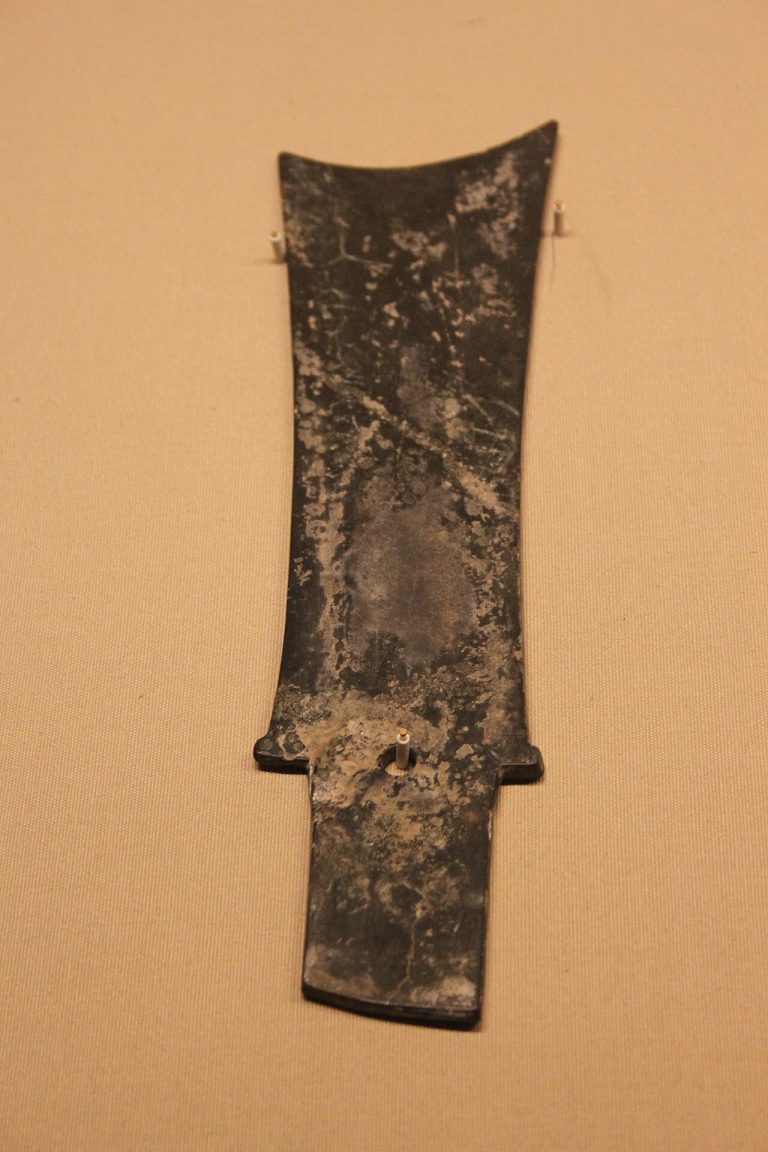
Spirit stones (灵石) are crystallized qi that serve as currency and cultivation fuel. Learn grades, sources, and how they drive the cultivation economy.
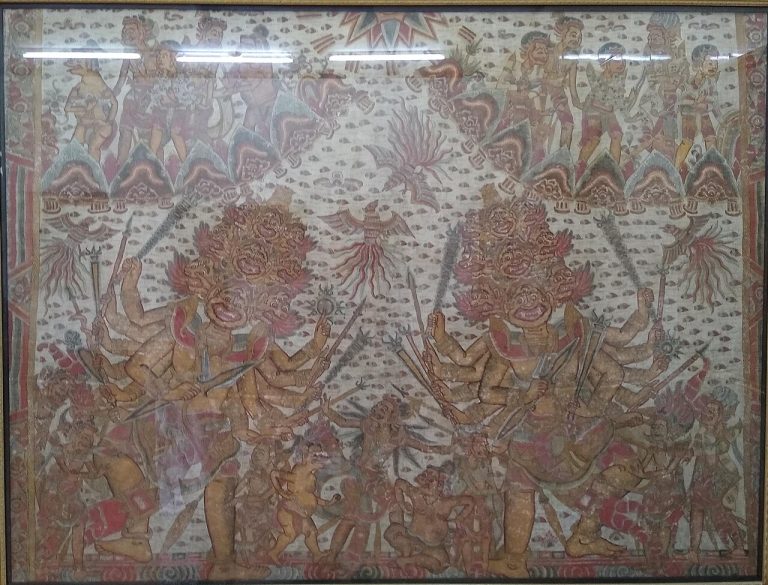
Demonic cultivator (魔修) uses extractive techniques to accelerate progress. Learn how one becomes one, what it costs, and the honorable variant from Mo Dao Zu Shi.

Bloodline (血脉) is the inherited supernatural lineage giving cultivators ancestral powers. Learn types (phoenix, dragon), activation, and the spiritual root distinction.
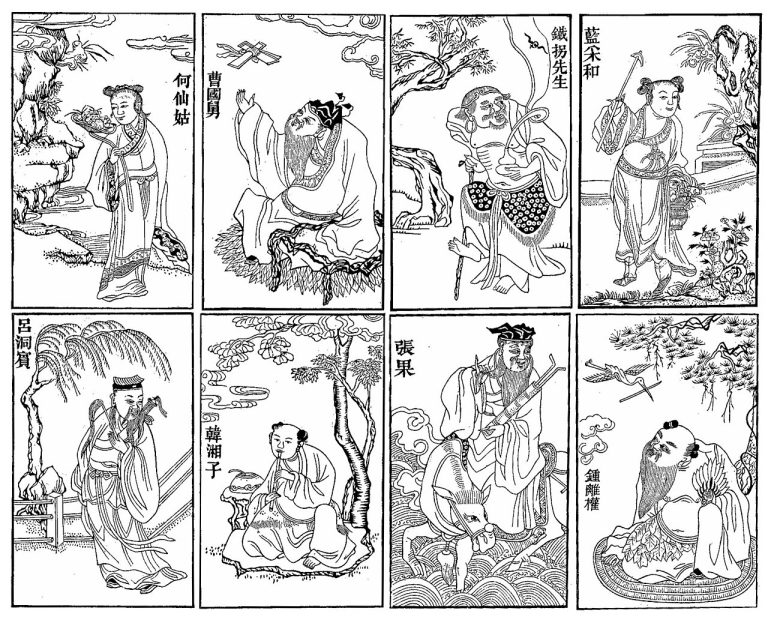
Cultivator (修士) is anyone who practices qi cultivation toward immortality. Learn the types, paths, and what makes someone a cultivator vs a mortal.
New to xianxia? Start here. The complete index to Chinese cultivation novels: what they are, the realm system, key terms, cultural roots, and where to read.
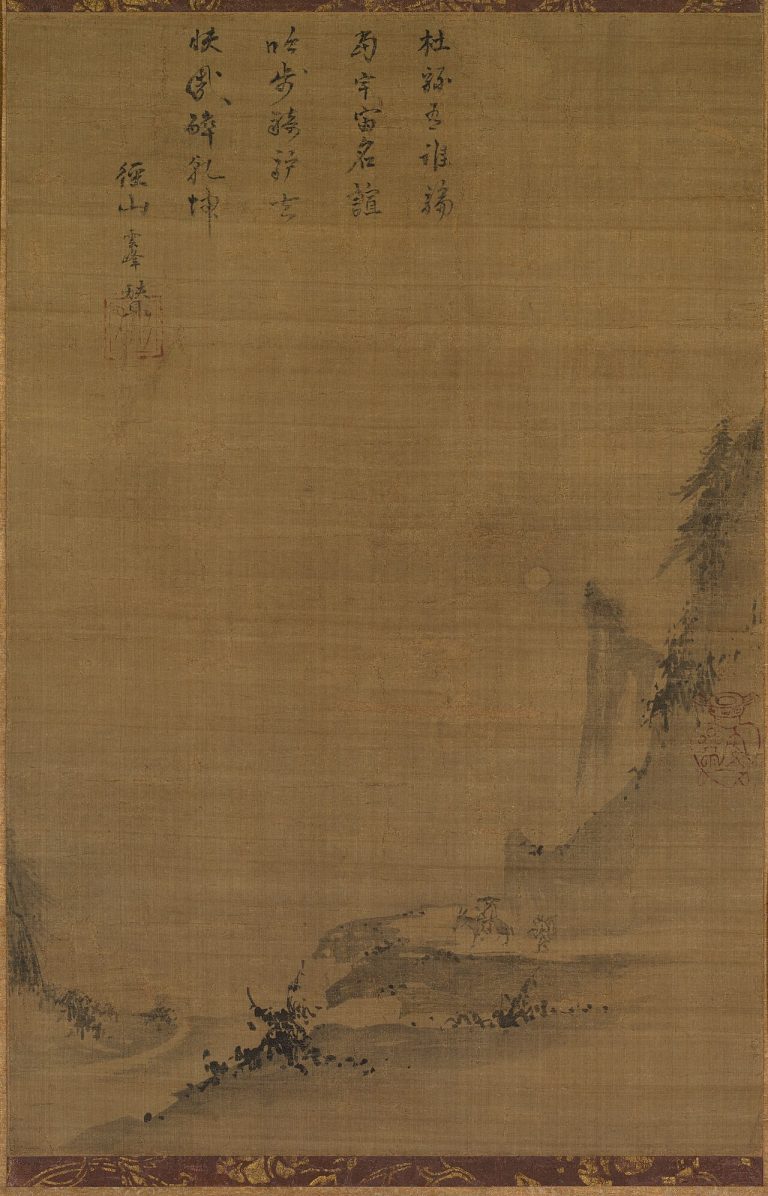
New to xianxia? This beginner roadmap recommends your first novel based on what you already enjoy — anime fans, fantasy readers, romance readers. Updated 2026.

Orthodox (正道) vs unorthodox (邪道) divides sects in wuxia and xianxia. Learn the framework, its limits, and famous subversions.
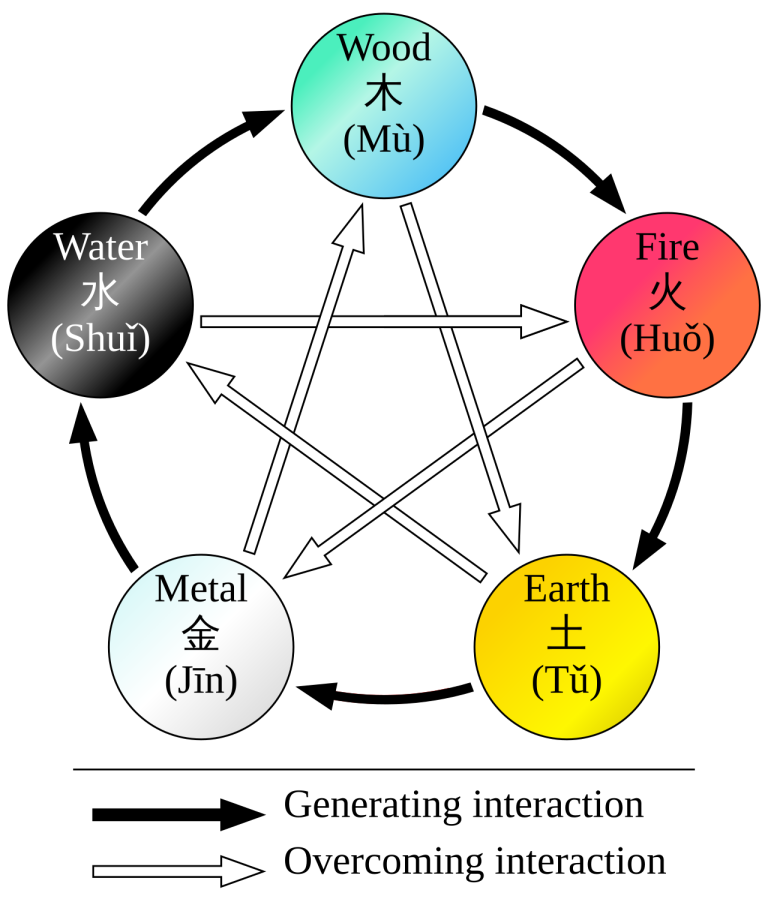
Wandering hero (游侠) is the martial artist without sect or home. Learn the 2000-year history and famous examples.
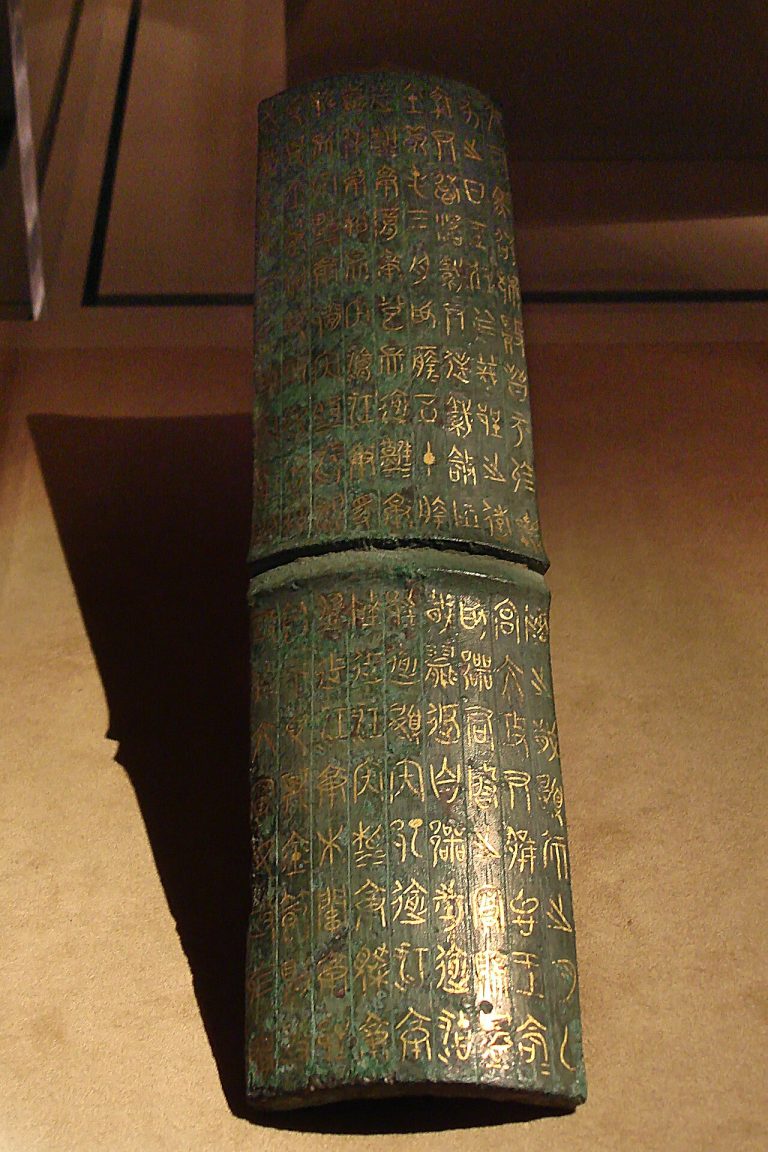
Xia (侠) is the chivalrous hero archetype behind wuxia. Learn the code, historical origins, and famous examples.
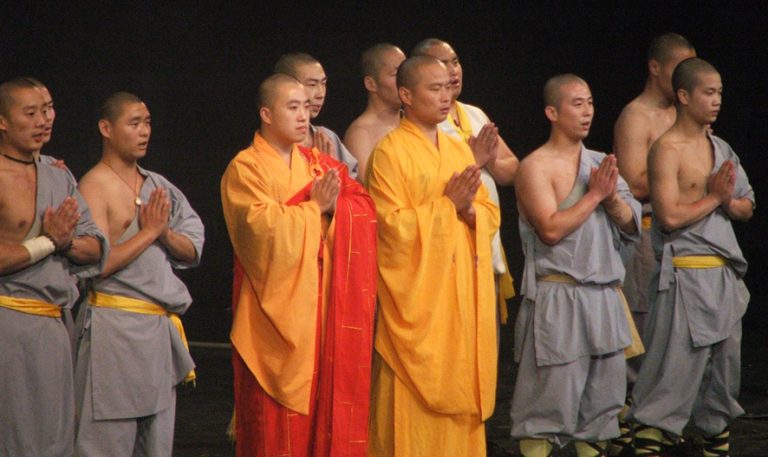
A sect (宗/派) is the organized martial or cultivation school. Learn ranks, dynamics, and inner-outer disciple politics.
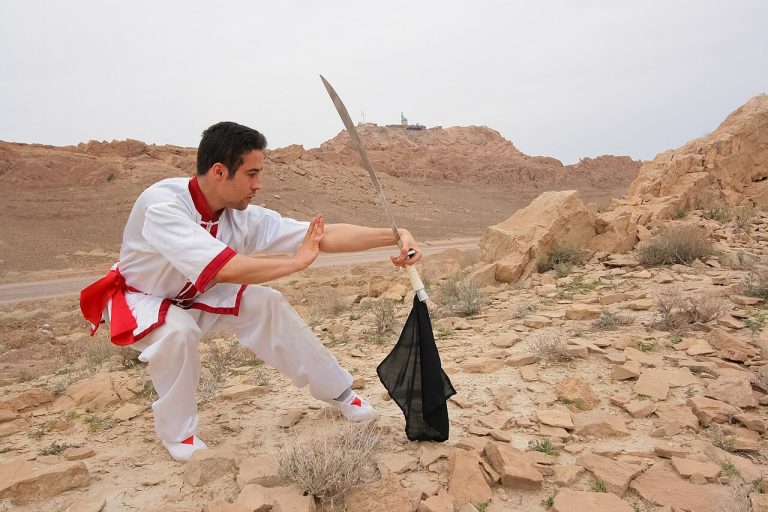
Wulin (武林) is the community of martial artists in wuxia. Learn how it works and how it differs from jianghu.
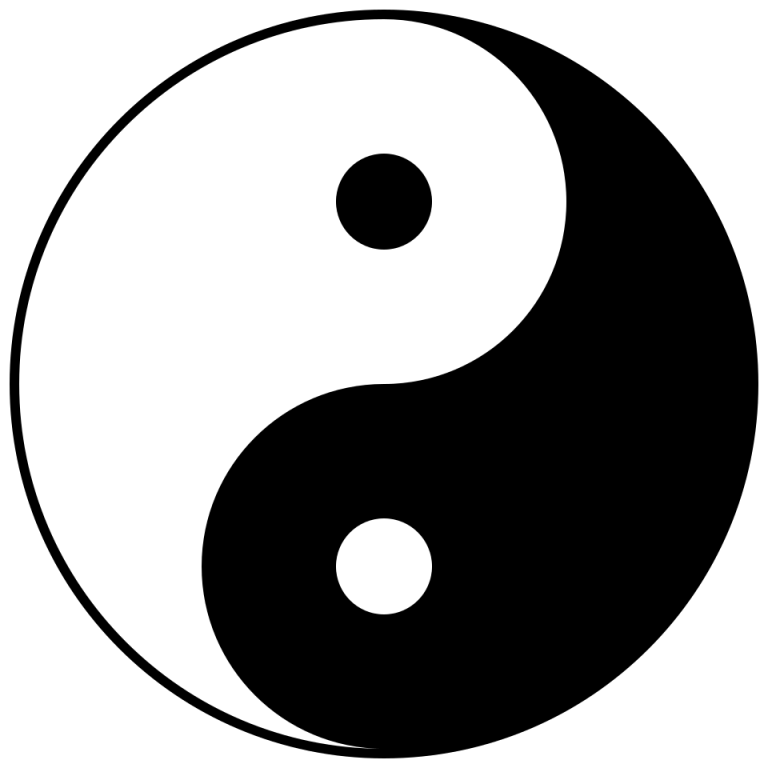
Yin and Yang (阴阳) is the Chinese framework for complementary forces — dark/light, cold/hot, female/male. Learn its real meaning and how xianxia uses it in cultivation.